
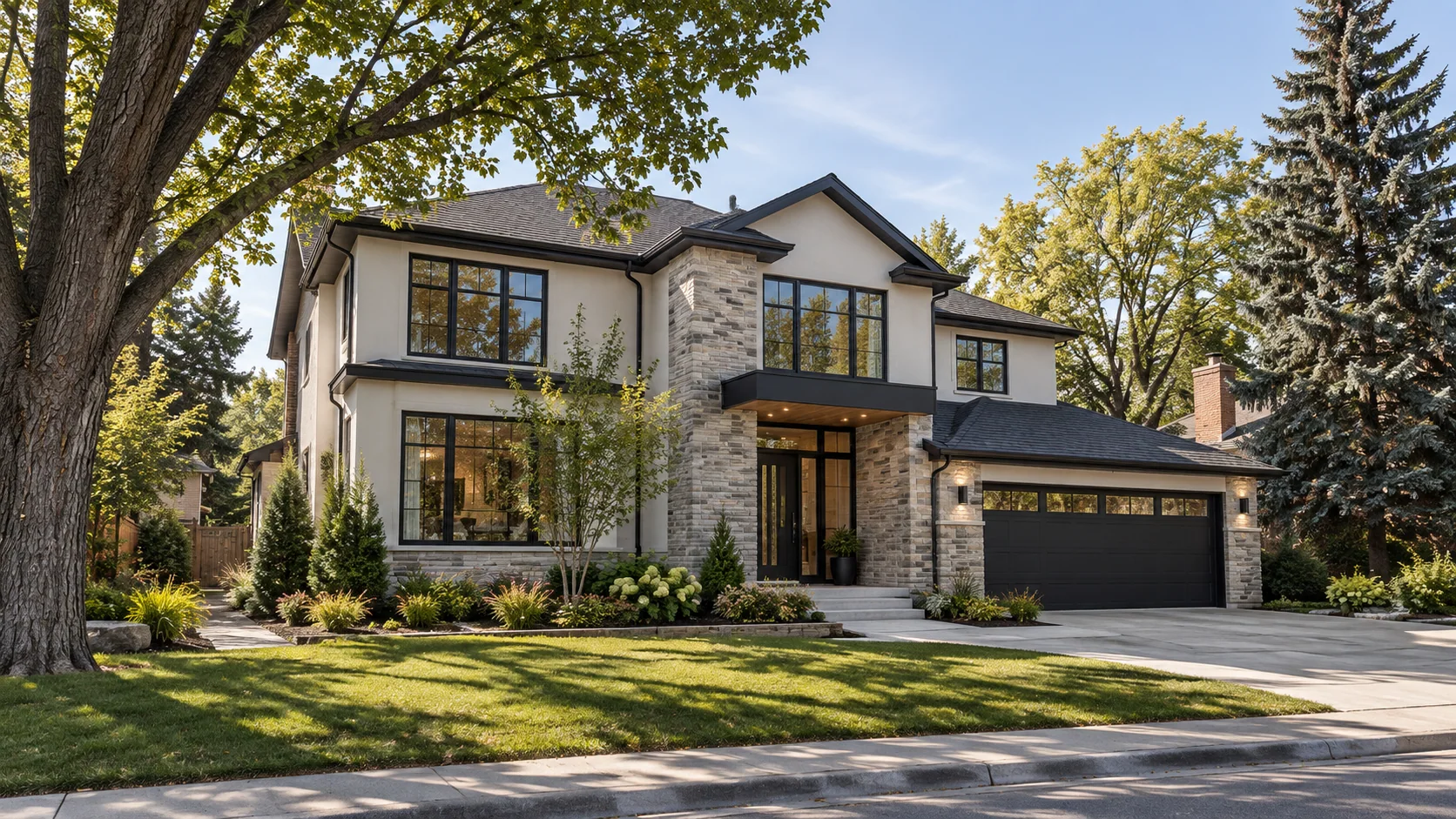
Custom home renovations Calgary homeowners undertake often begin with an everyday frustration: a kitchen cut off from the family room, too little storage, bedrooms that no longer fit the household, or a main floor that wastes useful space. When the location still feels right, the next decision is whether to reorganize the house, add more room, or rebuild.
A sound home with a useful structure can be an excellent renovation candidate. Another property may need so much structural, envelope, and mechanical work that starting again deserves an honest comparison. An addition can sit between those two choices when the house works but lacks space.
The goal is not to defend one construction method. It is to understand what the property already offers, what the finished home must do, and which route can deliver that result without a long list of compromises.
Begin With the Problems You Need to Solve
A general feeling that the house is dated is not yet a useful project brief. Planning becomes more productive when the household can describe what makes daily life difficult and which parts of the home still work well.
Walk through a normal weekday from the first entrance in the morning to the last room used at night. That exercise usually reveals the real priorities more clearly than a list of finishes.
- A kitchen separated from the main living areas
- Poor storage near the everyday entrance
- Bedrooms or bathrooms that no longer suit the household
- Underused formal rooms and awkward circulation
- Limited daylight or a weak connection to the yard
- No quiet place for work, guests, or extended family
- Ageing electrical, plumbing, heating, or ventilation systems
Keep a second list of strengths. A good orientation, useful garage, mature trees, solid structure, and a location that would be difficult to replace all have value in the comparison.
Assess the Existing Home Before Drawing the Solution
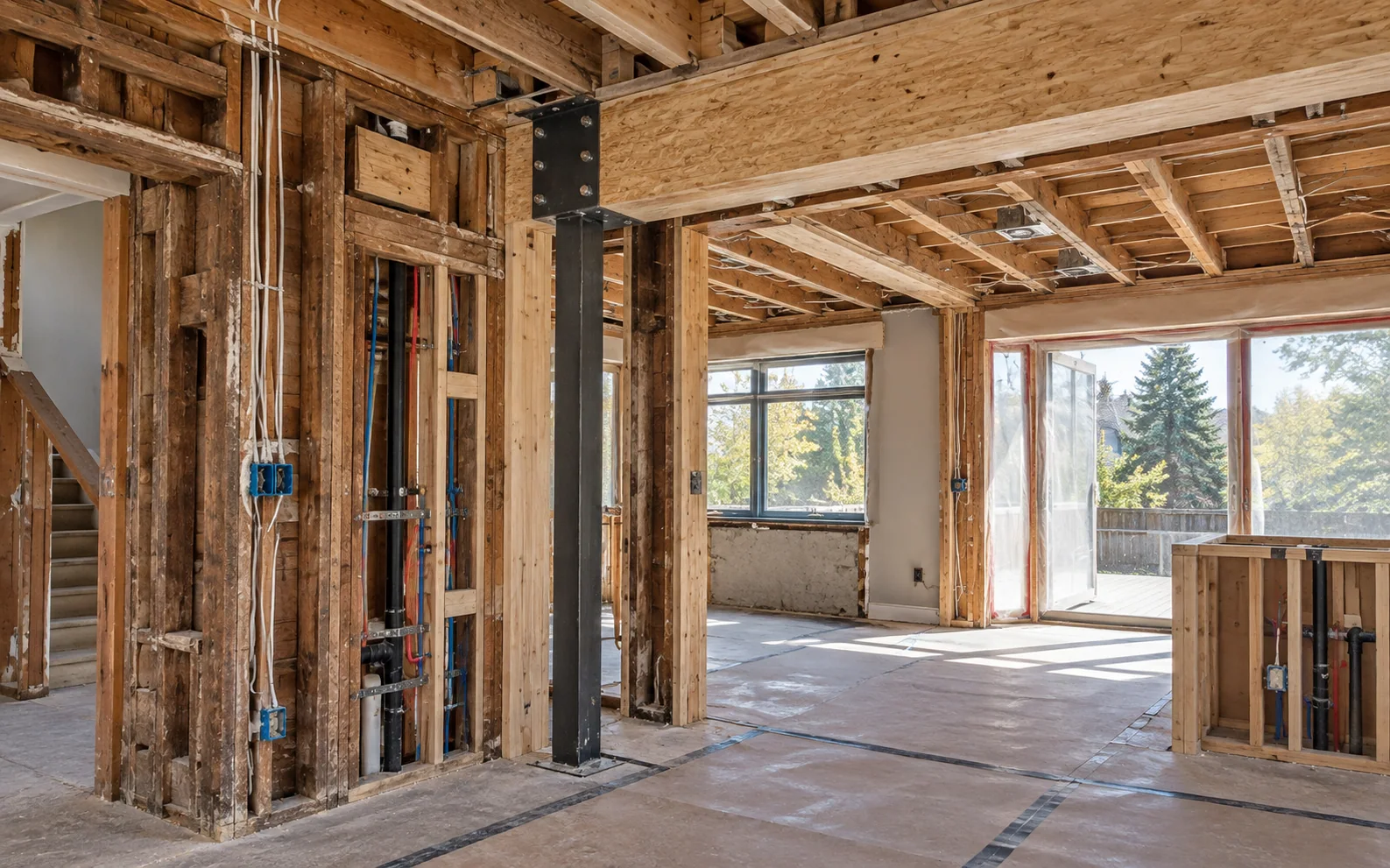
Before developing a new floor plan, find out what the project would be building on. A normal showing or homeowner walkthrough cannot confirm the condition of concealed structure and services.
The assessment should connect the physical condition of the house with the proposed work. Moving one wall may be straightforward. Moving several load-bearing walls while replacing most systems can change both the budget and the case for retaining the building.
- Foundation condition, drainage, and signs of moisture
- Framing, roof structure, and structural load paths
- Windows, insulation, air sealing, and exterior cladding
- Electrical capacity, plumbing, heating, cooling, and ventilation
- Earlier renovations and any available drawings or permits
A healthy foundation and useful structure give a renovation something worth preserving. Several failing systems or a layout that resists every priority make the comparison look different.
When Renovation or an Addition Is the Better Fit
Renovation is worth serious consideration when the foundation and main structure are sound, the house sits well on the lot, and the existing footprint supports most of the required rooms. In an established community such as Bayview, retaining mature landscaping, privacy, and a well-positioned home can be as important as changing the interior.
Sometimes the existing house works reasonably well but simply needs more room. The home addition contractors Calgary families consult should test more than the amount of square footage. Floor levels, foundations, rooflines, circulation, windows, and mechanical systems must connect cleanly with the original building.
Before expanding, test whether underused rooms, oversized hallways, or poor storage can be reorganized. A focused renovation with a modest addition often produces a better home than a large extension attached to an inefficient plan.
- A larger kitchen and family room
- A private primary suite or additional bedrooms
- A main-floor room for an ageing parent
- A practical mudroom and everyday entrance
- A quiet office or flexible guest room
- A larger garage or better connection to the yard
A successful addition improves the existing rooms as well as the new area. It should feel like one home, not an original house with a separate project attached to it.
Build Up Build Out or Rework the Existing Space
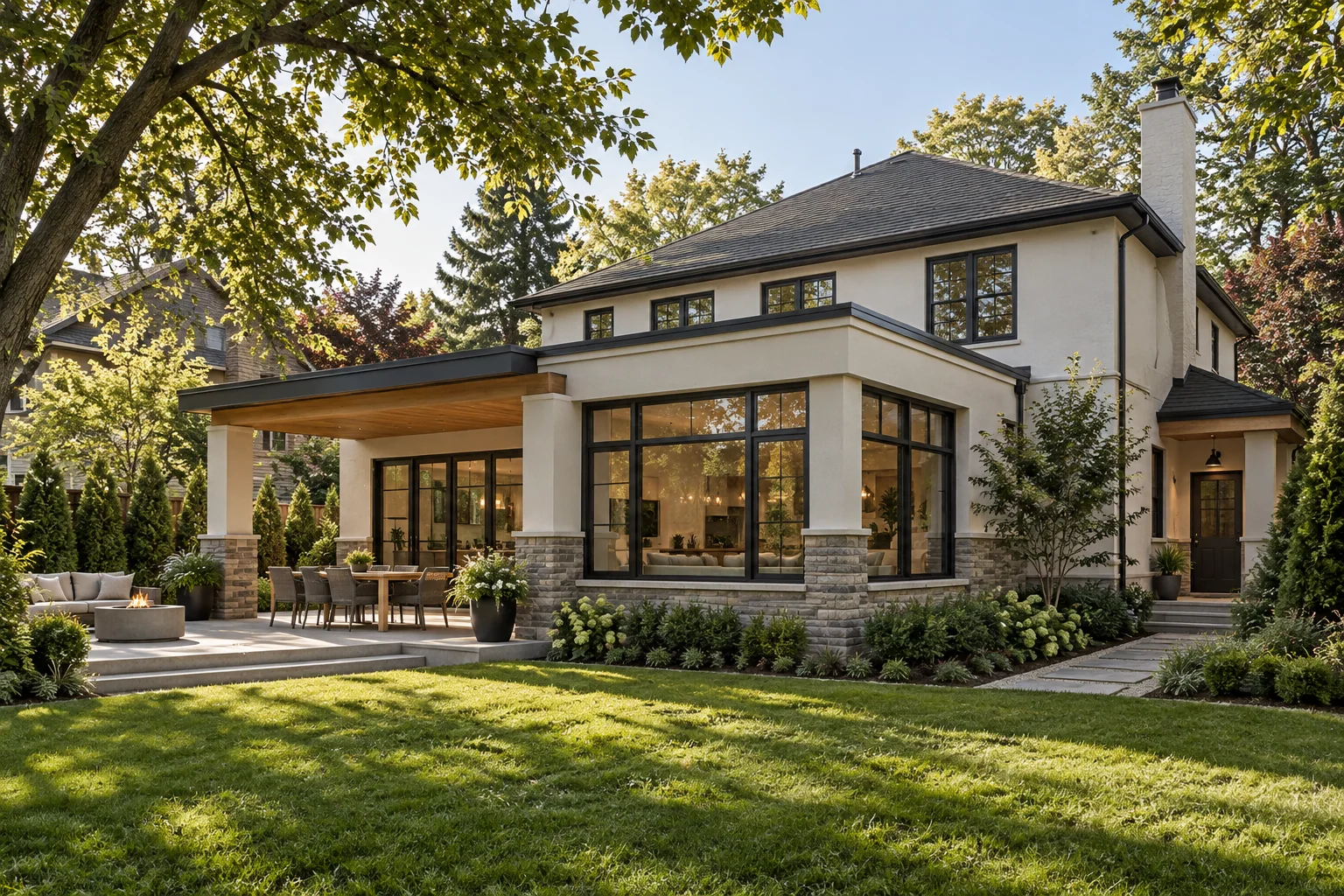
Building out can suit a home that needs a larger main floor and has enough usable yard. It can also make step-free living easier when a bedroom, bathroom, or family area needs to stay on the main level.
Building up can preserve the backyard when bedrooms and bathrooms are the main priority, but the existing structure, staircase location, roof, and temporary weather protection need careful study.
Reworking the current footprint may be enough when the required rooms already exist but are poorly connected. The least disruptive option is often the one that solves circulation and storage before adding area.
When Rebuilding Deserves a Serious Comparison
Renovation and additions are not always the practical answer. The desired home may be fundamentally different from the existing building, or correcting the structure and major systems may consume much of the budget before the layout improves.
Rebuilding is worth comparing when very little of the original house would contribute to the finished result. That decision still begins with the property. A replacement home must respond to planning rules, access, neighbours, sunlight, mature trees, and outdoor space.
- The foundation or structure has serious limitations
- Most major systems require replacement
- The desired layout conflicts with the existing footprint
- Ceiling heights and floor levels create costly compromises
- Large additions would still leave an inefficient core
- A new design would make substantially better use of the property
Starting again creates design freedom, but it also adds demolition, complete site work, new landscaping, and the cost of replacing everything the existing property already provides.
Compare Complete Project Costs
Cost comparisons become misleading when each option delivers a different finished result. A limited renovation estimate should not be compared with a complete custom home if the renovation leaves major household needs unresolved.
Write one clear brief for the finished home, then price each practical route against it. Renovation carries more uncertainty behind existing walls. Rebuilding can offer a more predictable construction sequence, but it requires complete demolition and site development.
- Design, surveys, engineering, and permits
- Demolition, disposal, and temporary protection
- Structural reinforcement and concealed conditions
- Excavation, utility changes, and site preparation
- Interior finishes and exterior improvements
- Landscaping, driveways, and walkways
- Moving, storage, and temporary accommodation
- Financing costs and a realistic contingency
The useful question is not which option has the lowest opening estimate. It is which option delivers the right finished home at a cost and level of uncertainty the household can accept.
Plan for How the Household May Change
The immediate need may be a larger kitchen or another bedroom, but a well-planned project should remain useful as work, family, and mobility needs change.
Flexible rooms do not need to feel generic. They need suitable dimensions, storage, daylight, and access to a bathroom so they can take on a different role without another major renovation.
- An office that can later become a bedroom
- A guest suite suitable for an older parent
- A main-floor bathroom that supports changing mobility
- Separate shared and quiet living areas
- Storage that can adapt to changing activities
- Entrances and circulation with fewer future barriers
Questions to Ask Before Choosing a Direction
A useful feasibility conversation begins with the property and the finished-home brief. These questions help identify where more investigation is needed before design work becomes detailed.
- Which parts of the existing house work well and are worth keeping?
- What daily problems must the project solve?
- Is the foundation and main structure worth retaining?
- Can the required rooms fit within a reorganized footprint?
- Would an addition connect naturally to the house?
- How much usable yard or mature landscaping would be lost?
- Which major systems require replacement?
- What planning or site constraints may shape the design?
- Which costs still depend on assumptions?
- How much disruption and temporary living can the household manage?
Clear answers turn a broad idea into a project brief that a designer, builder, and consultant team can test against the property.
Choose the Project That Fits the Property
A major renovation can reshape a well-positioned home while preserving its structure, setting, and neighbourhood. An addition can provide the missing space when the existing house still works. Rebuilding can be the clearer route when the old structure conflicts with nearly every priority.
Begin with the property, assess the existing house, and define the finished home before comparing prices. The right direction is the one that solves the household's real needs and makes responsible use of the site, budget, and useful parts of the home.
Calgary renovation addition and rebuild questions
Is renovating always less expensive than rebuilding in Calgary?
No. A focused renovation may cost less, but extensive structural changes, concealed conditions, system replacements, and additions can narrow the difference. Compare complete scopes that deliver the same finished-home brief.
How do I know whether my house is worth renovating?
Review the foundation, structure, building envelope, major systems, and usefulness of the existing layout. The strongest renovation candidates retain components that provide real value to the finished home.
Can a home addition be combined with a full renovation?
Yes. Combining an addition with interior reconfiguration often produces a more coherent result than treating the new area as a separate project. Structure, circulation, rooflines, services, and exterior materials should be planned together.
Should we build up or build out?
Building out can improve the main floor but may reduce usable yard. Building up can preserve outdoor space but requires a structural review and a workable stair location. The property and required rooms should determine the direction.
What costs are easy to miss when comparing the options?
Design, engineering, permits, demolition, structural work, site preparation, utility changes, landscaping, storage, moving, temporary accommodation, financing, and contingency are commonly overlooked.
Can we live in the house during a major renovation?
Sometimes, but structural work and whole-home renovations can leave the house without a normal kitchen, safe access, or essential systems for extended periods. Include a realistic temporary-living plan in the budget and schedule.
When should a builder become involved?
Bring a builder into early feasibility planning, after the property and existing home have been reviewed but before substantial money is committed to one detailed design direction.